
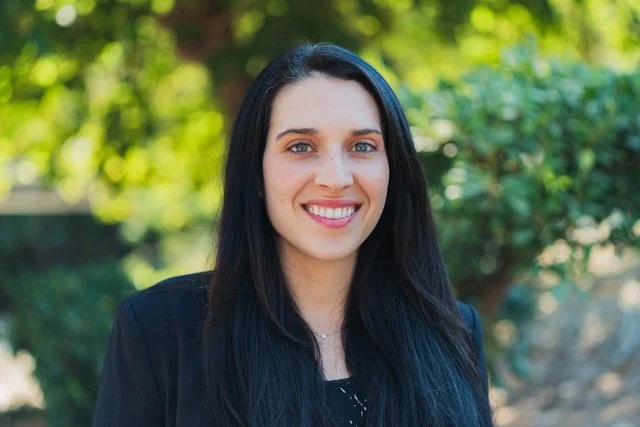
Shanelle Collins
Shanelle Collins, AMFT is a Registered Associate Marriage and Family Therapist dedicated to helping individuals, couples, and families cultivate deeper connection, healing, and emotional resilience. She works from a systemic and attachment-based perspective, primarily using Emotionally Focused Therapy (EFT) with couples and Eye Movement Desensitization and Reprocessing (EMDR) with individuals.
Shanelle is committed to creating a safe, compassionate, and nonjudgmental therapeutic space where clients feel seen, heard, and supported as they navigate life’s challenges. Her integrative approach allows her to attend to both relational patterns and individual experiences, helping clients strengthen emotional bonds, process unresolved trauma, and move toward meaningful and lasting change.
Shanelle earned her Master’s degree in Marriage and Family Therapy from Alliant International University and is currently pursuing a Doctor of Philosophy (PhD) in Marriage and Family Therapy at Alliant International University, with an expected graduation date of 2027. Her doctoral research centers on attachment theory and the relational experiences of service members and military couples, with a particular focus on how attachment processes are activated within intimate relationships during periods of stress and transition.
In her work with couples, Shanelle uses Emotionally Focused Therapy to help partners identify and understand their emotional needs, interrupt negative interaction cycles, and foster secure attachment bonds. She supports couples in rebuilding trust, deepening emotional intimacy, and communicating in ways that promote connection and mutual understanding.
For individuals, Shanelle utilizes EMDR to support clients in processing traumatic or distressing experiences and reducing the emotional intensity of painful memories. She approaches trauma work with sensitivity and care, helping clients develop greater emotional regulation, self-compassion, and resilience.
Shanelle has experience working with concerns such as anxiety, depression, trauma, relationship distress, and family conflict. She is particularly passionate about supporting military service members, veterans, and military families, recognizing the unique relational and emotional challenges associated with military life.